 ultimate-guide
What Does Wedding Decor Include? A Complete Guide
Table of Contents
- What Wedding Decor Actually Includes (And What It Doesn't)
- Your Complete Wedding Decor Checklist by Venue Area
- Wedding Ceremony Decorations: The Focal Points Guests See First
- Wedding Reception Decorations: From Cocktail Hour to Last Dance
- Wedding Table Decorations: Centerpieces, Linens, and Place Settings
- Lighting, Signage, and the Details That Tie It Together
- Who Supplies, Installs, and Removes Each Decor Item
- How to Budget and Prioritize Your Wedding Decor
- Frequently Asked Questions
Last Updated: October 14, 2026
What Wedding Decor Actually Includes (And What It Doesn't)
Wedding decor includes every decorative element that shapes how a venue looks and feels on the day: ceremony backdrops and aisle arrangements, reception centerpieces, table linens and place settings, lighting, signage, and the personal touches that connect it all to the couple. It does not include rentals like tables and chairs, and it does not include planning.
That distinction matters more than most couples expect. The typical wedding decor checklist spans six to eight categories, and each one carries its own supplier, setup window, and teardown responsibility.
Decor vs. Rentals vs. Planning: Where the Lines Blur
Wedding decor is the styling layer applied on top of a functional venue: florals, fabric, candles, signage, and display pieces. Rentals are the functional layer: tables, chairs, tents, flatware, and glassware. Planning is the logistics layer: timelines, vendor coordination, and contracts.
The confusion starts because many items sit in two camps at once. A centerpiece vase is decor; the table beneath it is a rental. A welcome sign is decor; the easel holding it may be rented. A florist may deliver and place arrangements, while a rental company drops tables at the loading dock and leaves.
What most guides miss is that venue contracts often dictate which layer you control. Some venues include tables, chairs, and basic linens, which means a couple only needs to source the styling layer. Others provide an empty room and a list of approved vendors. Read the venue agreement before building any decor list, because it determines roughly half of what you need to buy or rent.
Your Complete Wedding Decor Checklist by Venue Area
Organizing decor by venue area keeps the list manageable and prevents duplicate purchases. The areas below cover the full scope of a typical wedding day, and each one has a distinct setup timeline.
Ceremony area: arch or backdrop, aisle arrangements, altar or chuppah, pew or chair markers, petals, unity table.
Cocktail hour: high-top table decor, lounge accents, bar signage, appetizer display styling.
Reception: centerpieces, table linens, napkins, chargers, flatware, glassware, menu cards, table numbers.
Feature tables: guestbook station, cake display, dessert table, coffee service, gift table.
Lighting and signage: string lights, uplighting, chandeliers, welcome sign, directional markers, seating chart.
Personal details: family photos, custom signs, favors, memorial touches, photo display.
| Area | Key Items | Setup Timing | Typical Owner |
|---|---|---|---|
| Ceremony | Arch, aisle florals, pew markers | 2-3 hours before | Florist or decor team |
| Cocktail hour | Bar signage, lounge accents | 1-2 hours before | Decor team |
| Reception | Centerpieces, linens, place settings | 2-4 hours before | Decor team or venue |
| Feature tables | Cake display, guestbook, dessert styling | 1-2 hours before | Decor team |
| Lighting and signage | String lights, welcome sign, markers | 3-5 hours before | Lighting vendor or decor team |
Wedding Ceremony Decorations: The Focal Points Guests See First
Ceremony decorations center on one focal point: whatever frames the couple during the vows. An arch, chuppah, or freestanding backdrop anchors the space, and everything else supports it.
Build outward from that anchor. Aisle arrangements, pew markers, and petals guide the eye toward the front. Pillars with floral arrangements can define the entrance. An altar table or unity candle setup adds a functional layer for the ceremony itself.
Greenery does most of the visual work here. Eucalyptus, ferns, and trailing vines read as fuller than they cost, and they photograph well under both natural and artificial light. Bouquets and boutonnieres should echo the ceremony palette so the photos stay cohesive from the processional through the reception.
Wedding Reception Decorations: From Cocktail Hour to Last Dance
Reception decorations carry the longest timeline of the day, so they need to work in stages. Cocktail hour styling should feel lighter than the main room: high-top accents, bar signage, and lounge touches that transition guests without competing with the reception reveal.
As the room opens, the visual weight shifts to tables, lighting, and the dance floor. A focal point behind the head table or band gives the space a clear center. Uplighting or string lights change the mood as evening falls, which is why lighting belongs in the decor budget rather than the AV line.
Practical details matter as much as aesthetics. Coffee service stations, dessert tables, and cake displays need styling that stays tidy through hours of guest traffic. Directional markers and seating charts reduce congestion at the entrance, and a well-placed guestbook station gives arriving guests something to do while the room fills.
Wedding Table Decorations: Centerpieces, Linens, and Place Settings
Table decor is where most of the budget goes, and where most of the regret comes from. Centerpieces, linens, and place settings have to look intentional across every table while surviving dinner service without constant adjustment.
Start with linens and tablecloths, since they set the base color for everything above them. Napkins, chargers, plates, flatware, and glassware build the place setting layer by layer. A centerpiece then needs to clear sightlines: tall arrangements open the conversation across the table, while low arrangements keep the room visually connected.
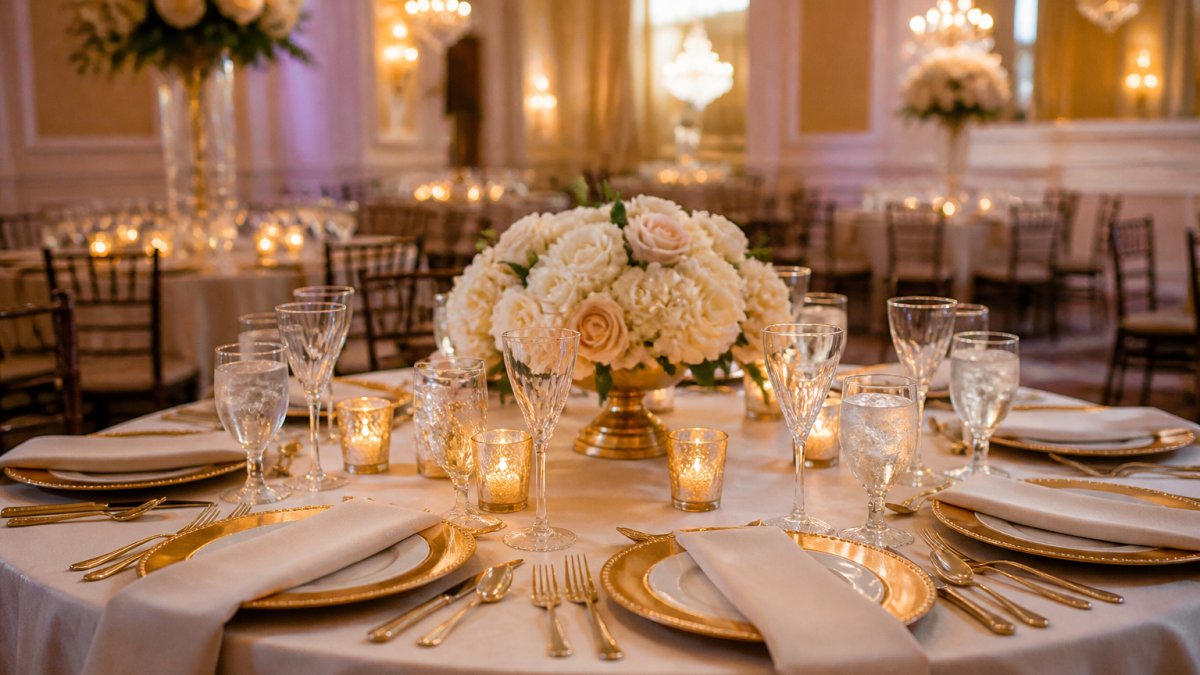
Candlelight does quiet work here. Votive candles and taper arrangements add warmth at a fraction of floral cost, though venues with open-flame restrictions require LED substitutes. Table numbers and menu cards finish the setting and double as keepsakes for guests.
Lighting, Signage, and the Details That Tie It Together
Lighting and signage are the two categories couples cut first and regret most. String lights, chandeliers, and uplighting determine how every other decor element reads once the sun goes down, and a room styled for daylight can fall flat after dark.
Signage does the wayfinding. A welcome sign sets the tone at the entrance, directional markers guide guests between ceremony and reception spaces, and a seating chart prevents a bottleneck at the door. Custom signs and personalized details, from family photo displays to memorial touches, are what make a room feel like a specific couple's wedding rather than a styled template.
Sustainable choices fit naturally here. Reusable signage, potted greenery, and rented statement pieces reduce waste and often cost less than single-use alternatives. Many couples now donate or resell florals after the event, which keeps arrangements out of landfills and gives the decor a second life.
Who Supplies, Installs, and Removes Each Decor Item
Assigning responsibility for each item prevents the two most common day-of failures: decor that arrives with no one to install it, and decor that stays behind after the event. The table below maps the usual division of labor.
| Decor Category | Typical Supplier | Installs | Removes |
|---|---|---|---|
| Ceremony arch and florals | Florist or decor team | Decor team | Decor team or couple |
| Table linens and place settings | Rental company | Venue or rental crew | Rental crew |
| Centerpieces | Florist or decor team | Decor team | Couple or decor team |
| Lighting and string lights | Lighting vendor | Lighting vendor | Lighting vendor |
| Signage and custom pieces | Couple or decor team | Decor team | Couple |
| Candles and small accents | Couple | Decor team | Couple |
Venue restrictions shape this list more than preference does. Setup windows, insurance requirements, and approved-vendor lists all determine who is allowed on site and when. Get the install and removal schedule in writing from every vendor, and confirm who is responsible for the final walkthrough.
How to Budget and Prioritize Your Wedding Decor
Decor budgets work best when they are built around visibility, not equality. Guests notice the ceremony focal point, the tables they sit at, and the lighting overhead. They rarely notice charger plates from across the room.
Rank spending in three tiers:
- Tier one: ceremony backdrop, table centerpieces, lighting. These carry the room.
- Tier two: linens, place settings, signage. These add polish at moderate cost.
- Tier three: favors, extra accent pieces, secondary displays. These are optional.
Pricing for decor services depends on quantity, dates, delivery, and installation requirements, so quotes vary widely between providers. Request itemized estimates that separate product cost from labor, and ask each vendor what happens if guest counts change after the contract is signed.
The most reliable way to protect a budget is to decide the tier-one items first, then add lower tiers only as funds allow. Couples who start with favors and accent pieces usually run out of money before the pieces that actually shape the room.
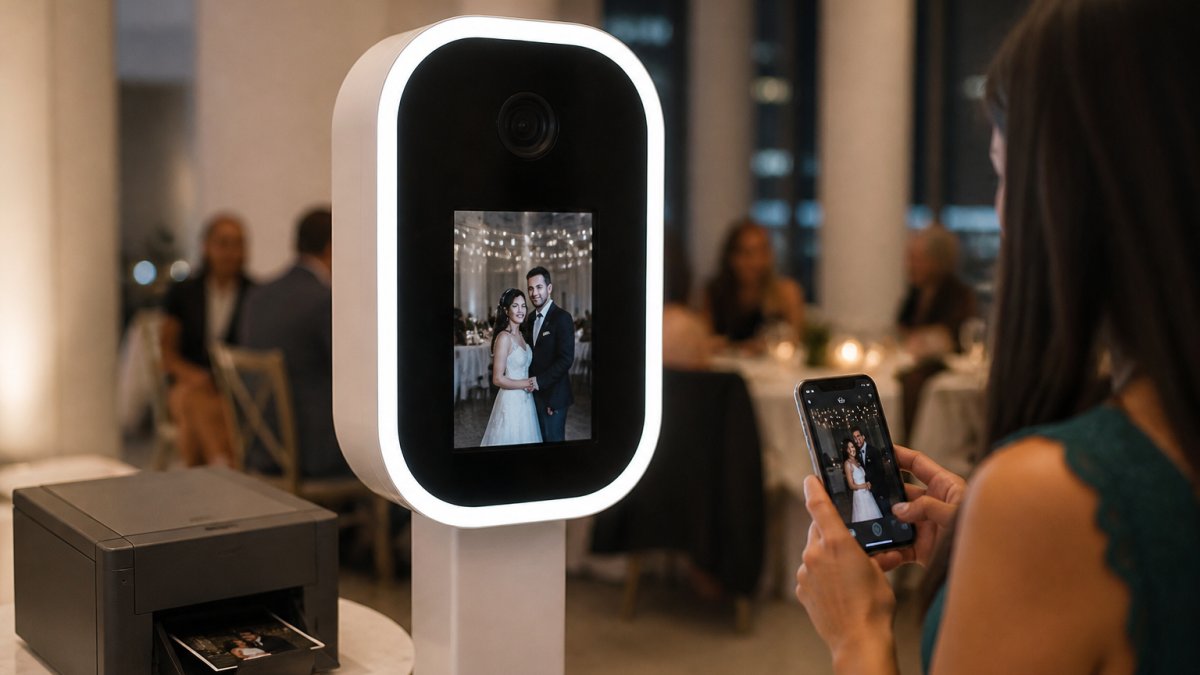
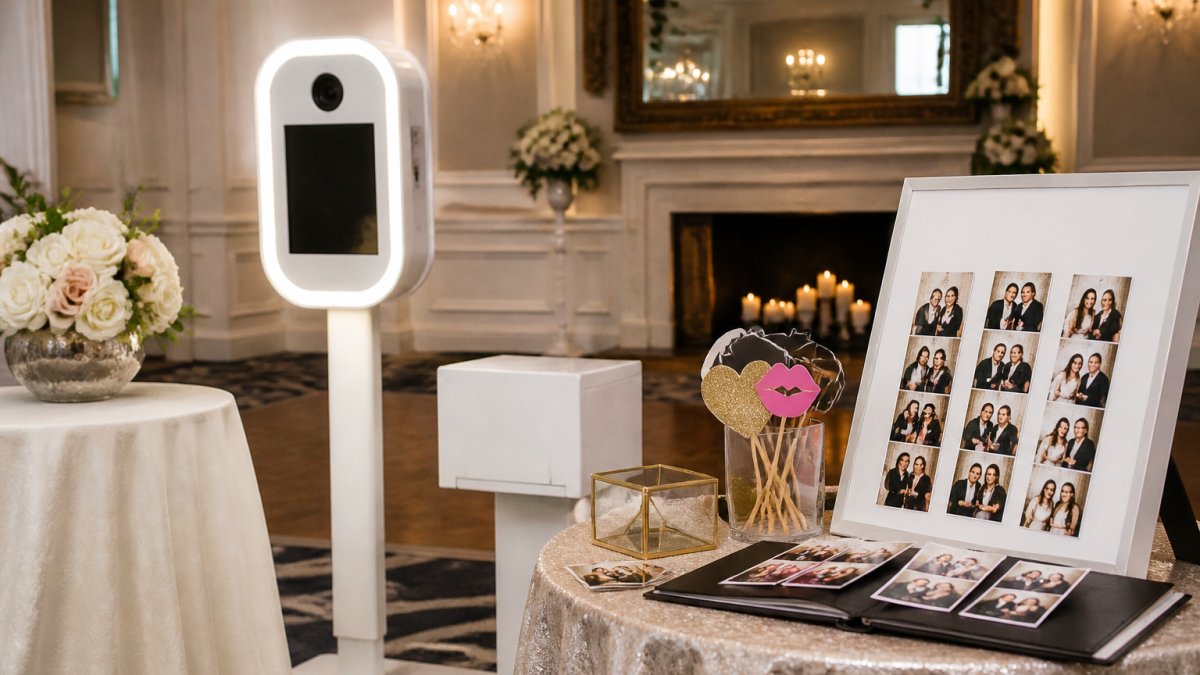
For couples who want the celebration itself to carry the energy, photo booth experiences from Couture & Decor Social Events LLC add an interactive layer, with digital photo sharing and custom templates that match the event's look.
Frequently Asked Questions
What items are typically included in wedding decor?
Wedding decor covers ceremony and reception elements: an arch or backdrop, aisle markers, floral arrangements, centerpieces, table linens, tableware, candles, string lights, signage, and a guestbook display. It also includes smaller personalized details like custom signs and family photo displays. Some items, such as linens and tableware, are often categorized as rentals rather than decor, so confirm with your venue and vendors which category each item falls under before finalizing your wedding decor checklist.
What decorations are essential for a wedding ceremony?
The must-haves for wedding ceremony decorations include a focal point such as an arch, chuppah, or altar arrangement, aisle decor (petals, lanterns, or pillars), and reserved seating signs for family. A welcome sign and program display near the entrance help guests orient themselves.
What is the difference between wedding decor and wedding rentals?
Wedding decor refers to the decorative elements that define the look of your event: flowers, greenery, candles, signage, and backdrops. Wedding rentals are the functional items you borrow and return, such as tables, chairs, linens, tableware, glassware, and lighting equipment. Many vendors offer both, which is why the categories overlap. When reviewing quotes, ask each vendor to itemize what is decorative versus functional so you can see exactly what you are paying for and avoid duplicate orders.
How do I choose a wedding decor style?
Start with your venue. A ballroom with crystal chandeliers calls for different decor than a barn or outdoor garden. Pull three to five words that describe the feeling you want, such as romantic, modern, garden, or minimalist, and use those as a filter for every decision. Your wedding decor should also account for the season and lighting conditions. Once your style words are set, share them with every vendor so floral arrangements, signage, and table decorations stay consistent.
What decorations should I prioritize if my budget is limited?
Focus on the areas guests see and photograph most: the ceremony focal point, the reception entrance, and the head table. These three zones deliver the highest visual impact per dollar. For entertainment, a photo booth rental provides a guest experience with custom templates and digital sharing.